Humane Bird and Bat Deterrent Methods for Large Buildings
People seeking humane bird and bat deterrent methods for large buildings aim to prevent wildlife damage ethically, and local service providers can help implement effective, humane solutions.
If you own or manage a large building, you may have encountered challenges with birds and bats roosting or nesting on your property. These animals can cause damage, create messes, and lead to health concerns, making humane bird and bat deterrent methods for large buildings an important consideration. Property owners in the area often explore these options to protect their structures while ensuring the well-being of local wildlife, which is a responsible approach to managing pest issues without causing harm. Continuing to read can provide valuable insights into practical solutions that local contractors offer, helping you make informed decisions for your property.
When considering humane bird and bat deterrent methods for large buildings, partnering with experienced local service providers can make a significant difference. These professionals understand the unique needs of large properties and can recommend effective, humane strategies tailored to your specific situation. Whether it’s installing deterrent devices or implementing exclusion techniques, local contractors are equipped to help you address wildlife concerns responsibly. Keep exploring to discover how these experts can assist in maintaining a pest-free, humane environment for your building.
- Humane bird and bat deterrent methods for large buildings are often needed when birds or bats are roosting on building exteriors, and local contractors use humane exclusion techniques to prevent future nesting. Humane bird and bat deterrent methods for large buildings may be required when large colonies are causing debris buildup, with service providers implementing non-lethal deterrents to encourage animals to relocate. Humane bird and bat deterrent methods for large buildings are sought after when pests are nesting in hard-to-reach areas, and local pros employ humane trapping and exclusion strategies. Humane bird and bat deterrent methods for large buildings are necessary when nuisance animals are damaging property, with local contractors applying humane deterrent devices that do not harm the animals. Humane bird and bat deterrent methods for large buildings are used when preventing future infestations, with service providers customizing humane solutions to fit the building’s structure.
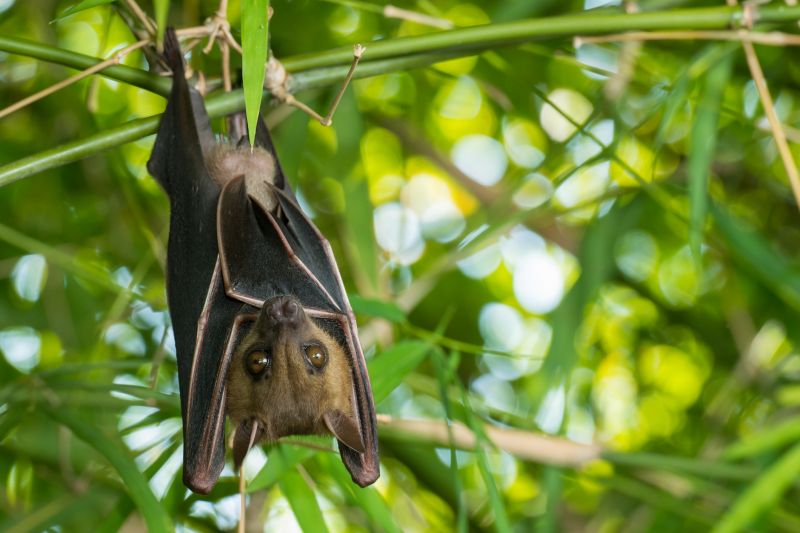
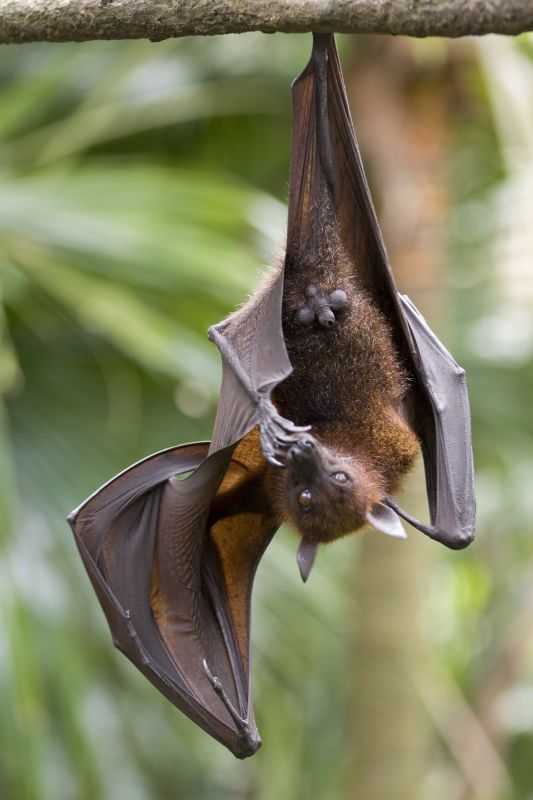
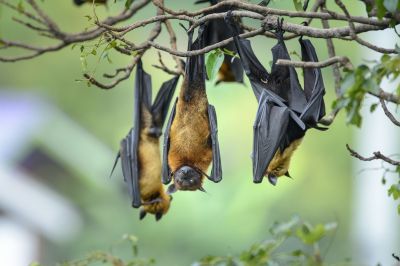
When searching for humane bird and bat deterrent methods for large buildings, most people are looking for ways to prevent these animals from roosting or nesting without causing them harm. Large commercial or institutional properties often encounter issues with birds and bats settling on rooftops, ledges, or building facades. These animals can create messes, cause property damage, or pose health concerns, prompting property owners or managers to seek effective solutions. The goal is to find humane strategies that encourage animals to move away naturally, rather than using aggressive or harmful methods that could lead to legal or ethical complications.
These concerns are typically linked to property management plans or maintenance projects focused on pest prevention and building preservation. For example, a business might notice an increase in bird droppings on their signage or bat activity around ventilation systems. Such problems can impact the appearance of the property, create sanitation issues, or interfere with building operations. Property owners often explore humane deterrent options as part of their broader efforts to maintain a clean, safe, and compliant environment. This is where local service providers who specialize in humane bird and bat deterrent methods can step in, offering tailored solutions that address these specific challenges effectively.
The types of properties that commonly come up in this context include large commercial buildings, warehouses, office complexes, hospitals, schools, and industrial facilities. These properties tend to have expansive roofs, tall facades, or extensive ledges that provide ideal roosting spots for birds and bats. Historic buildings and structures with architectural features like overhangs or open eaves are also frequent sites for these animals. Since these properties often have high occupancy or significant public access, implementing humane deterrent methods becomes a priority to prevent ongoing issues while remaining compliant with regulations that protect wildlife.
Humane bird and bat deterrent methods for large buildings involve a variety of practical strategies that local pros can implement. These include installing physical barriers such as bird netting or spikes that prevent animals from settling in problematic areas, as well as using visual or auditory devices designed to discourage roosting without causing distress. Local contractors can assess each property to identify the most suitable humane solutions based on the building’s design and the specific animal activity. Engaging with experienced service providers ensures that these methods are applied effectively, helping property owners manage wildlife presence responsibly while maintaining the integrity of their buildings.
Bird exclusion projects involve installing physical barriers and deterrents that prevent birds from roosting on large buildings, utilizing skills similar to humane bird and bat deterrent methods.
Building enclosure design focuses on creating structures that discourage wildlife entry, requiring planning and tools comparable to those used in humane bird and bat deterrent installations.
Wildlife exclusion services include humane removal and deterrent strategies for various animals, aligning with the techniques used for humane bird and bat deterrent methods on large structures.
Raptor deterrent systems employ visual and auditory devices to keep birds of prey away from buildings, sharing similar planning and equipment needs as humane bird deterrent methods.
Mesh and netting installation projects involve securing large building areas to prevent bird and bat access, requiring skills that are relevant to humane deterrent method implementations.
Wildlife habitat modification entails altering environments around buildings to make them less attractive to birds and bats, paralleling the planning involved in humane deterrent strategies for large structures.
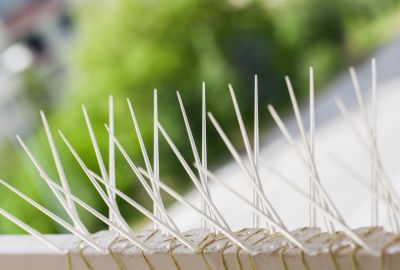
When evaluating service providers for humane bird and bat deterrent methods for large buildings, experience with similar projects is a key factor to consider. Contractors who have a history of handling large-scale bird and bat deterrent installations are more likely to understand the unique challenges associated with sizable structures. They can provide insights into effective strategies that have worked in comparable settings, helping to ensure the chosen methods are both humane and effective while minimizing potential disruptions to building operations.
Clear, written expectations are essential when comparing local contractors. A reputable service provider should be able to outline the scope of work, the specific deterrent techniques they plan to use, and the projected outcomes in a straightforward manner. This clarity helps ensure that all parties are aligned on the project’s goals and deliverables, reducing misunderstandings and providing a basis for evaluating the quality of the proposed approach.
Reputable references and strong communication are also important indicators of a reliable service provider. Contractors with positive references from previous clients can offer reassurance about their professionalism and ability to deliver results. Additionally, good communication-being responsive, transparent, and willing to answer questions-can make the process smoother and more predictable. When comparing local pros, these qualities can help identify a team that will work collaboratively and keep the homeowner informed throughout the project, ultimately leading to a more successful outcome.
Property owners often search for humane bird and bat deterrent methods for large buildings when they are planning practical projects around their homes and businesses. Local pros provide Humane Bird and Bat Deterrent Methods services for everyday jobs and straightforward project options.
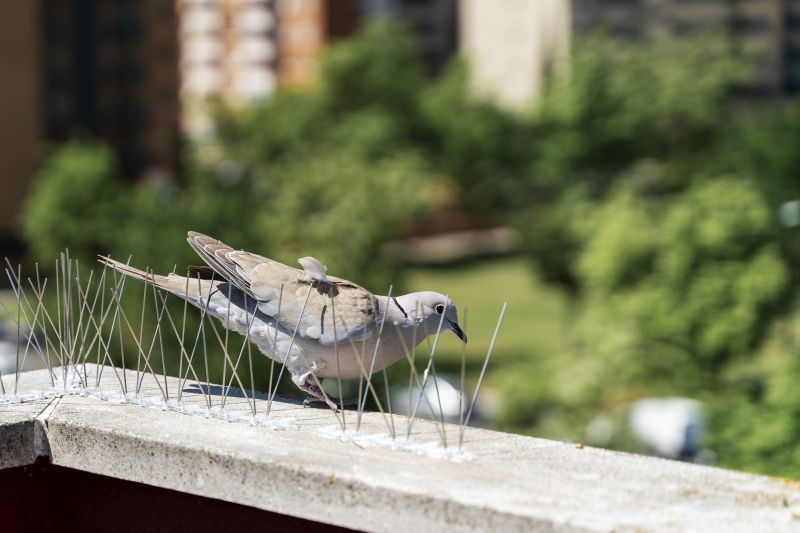

Many property owners in the area may find themselves dealing with unwanted bird and bat activity around large buildings, especially in urban or commercial settings. These animals can cause damage, create noise issues, or pose health concerns, prompting building managers or owners to seek humane deterrent methods that effectively discourage roosting and nesting without harm. For those facing these challenges, local service providers offer humane bird and bat deterrent solutions designed to address the problem safely and efficiently, helping to maintain the building’s integrity and reduce nuisances.
Considering humane bird and bat deterrent methods for large buildings is often driven by a desire to handle wildlife issues responsibly while avoiding damage to the structure or legal complications. Property owners may turn to local contractors who specialize in humane exclusion techniques, such as installing deterrent devices or modifying building features to prevent animals from settling in. Connecting with experienced service providers ensures that the approach to wildlife management aligns with best practices, offering an effective and ethical way to keep birds and bats at bay while respecting local wildlife.
What are humane bird and bat deterrent methods for large buildings? Humane bird and bat deterrent methods for large buildings include techniques that discourage roosting and nesting without causing harm, such as installing visual deterrents, bird spikes, or netting designed to be safe for wildlife.
How do local service providers implement humane deterrent solutions? Local service providers assess building structures and wildlife activity to recommend and install humane deterrent devices like sonic repellents, one-way exclusion doors, or physical barriers that prevent birds and bats from settling without injury.
Are humane deterrent methods effective for large building environments? Yes, when properly installed and maintained by experienced contractors, humane deterrent methods can effectively reduce bird and bat presence on large buildings while ensuring the animals are not harmed.
What types of devices are used for humane bird and bat deterrent methods? Common devices include visual scare devices, bird spikes, netting, one-way exclusion doors, and sonic or ultrasonic repellents, all designed to be safe for wildlife and suitable for large building applications.
How can I find local contractors who specialize in humane deterrent methods? To find local service providers specializing in humane bird and bat deterrent methods, consider searching online directories, requesting recommendations, or using lead generation services that connect with experienced wildlife deterrent professionals.
Bird and Bat Deterrent Device Installation - Installing humane deterrent devices on building exteriors can prevent birds and bats from roosting or nesting in unwanted areas, with local contractors providing professional setup.
Exclusion and Barrier Methods - Applying humane exclusion techniques like netting or one-way doors helps guide birds and bats away from large structures without harm, with local service providers handling the installation.
Habitat Modification Strategies - Modifying ledges, eaves, or other potential roost sites makes buildings less attractive to birds and bats, with local experts assisting in implementing these humane deterrent solutions.
Routine Inspection and Maintenance - Regularly inspecting and maintaining deterrent systems ensures continued effectiveness, with local contractors offering ongoing support for humane bird and bat deterrent methods.
If you are thinking about humane bird and bat deterrent methods for large buildings for a property, this guide is meant to help you understand this topic, the typical project types, and how different options might fit your plans.
When you are ready, you can use the quote form on this page to share a few details about your project. From there, local pros can review the basics and follow up with options that match what you have in mind.